











Don't let the AI get you down.
As I look into Google Analytics and see AI’s systematic churn through each of my website’s categories and articles — literally harvesting my outputs in service of whatever it wants to regurgitate as “unique” content for another — it’s easy to feel an overarching, aggressive, impending sense of doom. ‘But that’s not so,’ says the likes of the Elon Musks and Sam Altmans of the world: AI, instead, is some glorious miracle from on high, meant to allow for the betterment of humanity. While utter bullshit in real life, that’s the surface level premise of D-topia, a puzzle adventure with a lot going on behind the scenes.
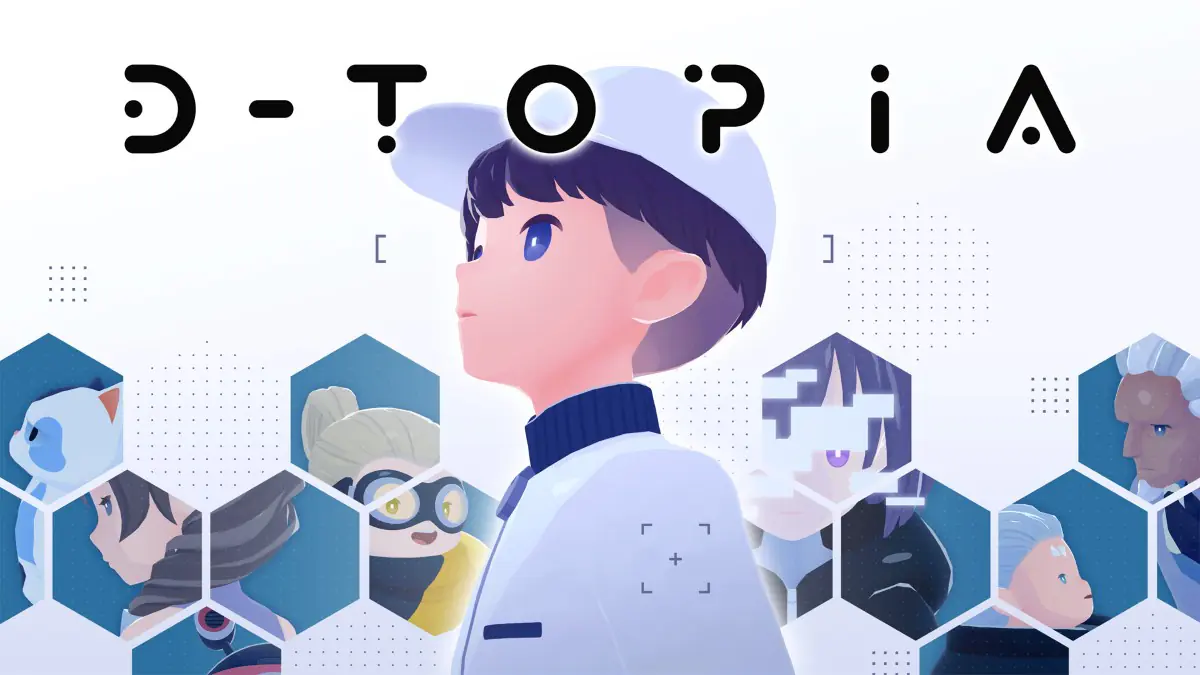
D-topia begins as you, Shiro, enter an AI-created utopia and given a job as a facilitator; in short, you’re the human influence that needs to go and fix all that goes wrong in a world created and supposedly maintained by AI. With gameplay that takes place over a day at a time, you’ll be sent to work in the middle of the day, solving number-based logic puzzles. Around that work, you can explore D-topia (the facility, that is), meeting its residents and rectifying errors that (often) pop up; coincidentally, those issues are also presented as number-based puzzles to solve.
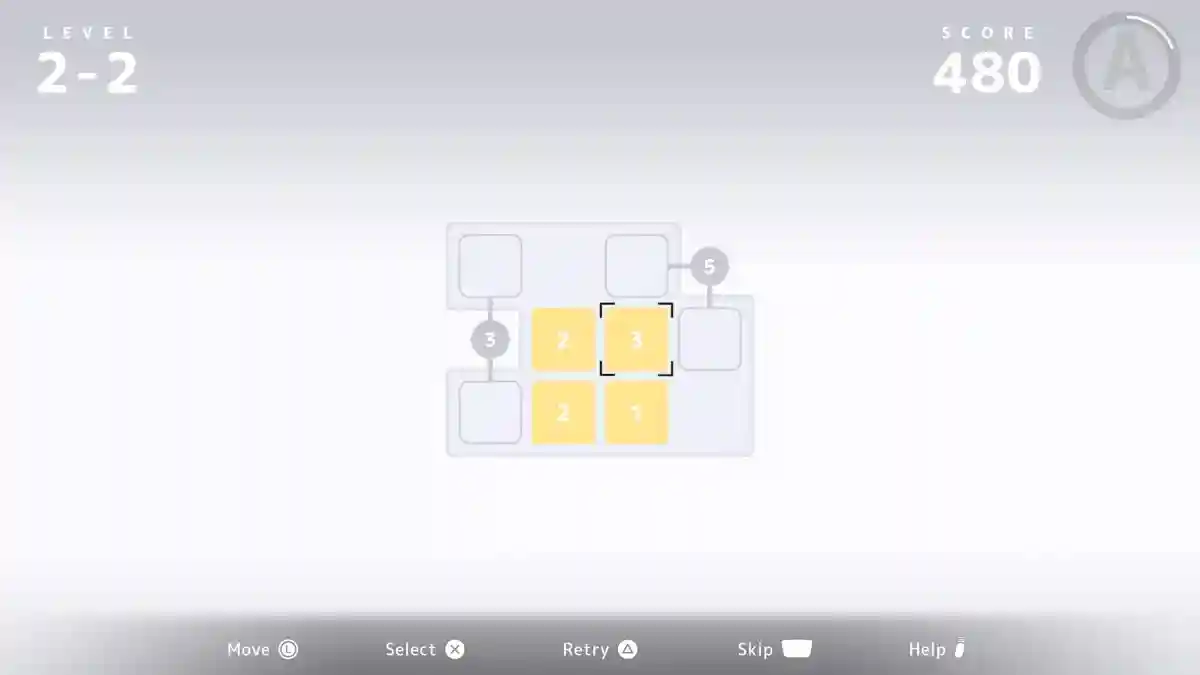
The puzzles start off rather simple, tasking you to move a numbered box to another position on a field. They escalate over time, involving specific move counts, or even multiplication. Some puzzles are downright devious, requiring a lot of time, thought, and planning to overcome. On their own, they’re a great reason to play D-topia.
So too are the residents you meet in your travels, quirky and complex individuals who really bring a cozy vibe to proceedings. You’re rewarded for exploring and interacting with named residents, even going so far as to enter decision-making segments that result in branching narratives. Will you help a rogue resident from Z-topia infiltrate your own community, or will you defy her? It’s entirely up to you.
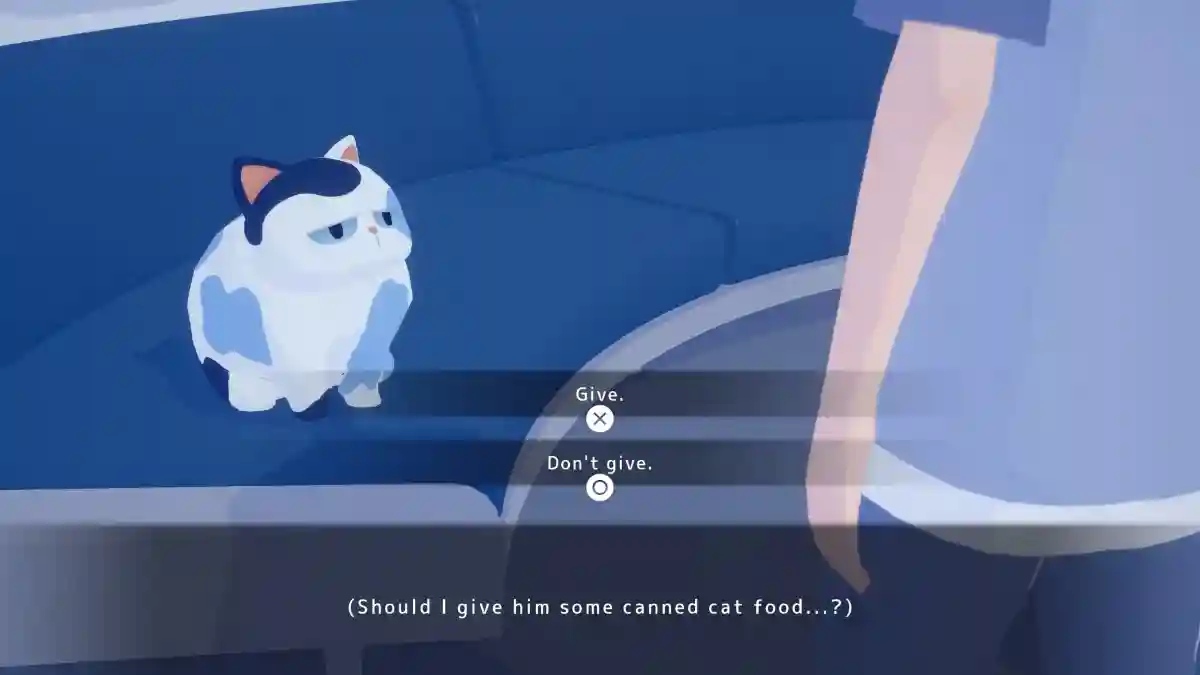
Interacting with the world will offer rewards in the form of friendships and money, with the latter being used to decorate your small, yet humble, apartment. You can take a cat under your care and spoil the crap out of it, at the same time buying a series of game consoles to play in your evenings. It’s optional, but it’s adorable.
Exploration — and more puzzles — also comes through switching to the Block Side, a state of being only accessible to facilitators. Here, the shiny lustre of D-topia washes away and you’re left to see the bare, metal bones of the dystopian area; you’re essentially looking through the AI. Here, you’ll run into naughty Troids, mischievous mice, and more.
It’s also through the Block Side that D-topia‘s message about AI starts to be conveyed — not everything is as it appears, and not every algorithm (or is that any algorithm) knows what’s best for someone. This narrative is inconsistent, heavy handed in some instances, and pulling its punches in others.
The experience is what you make of it, ultimately, and I found great joy within D-topia — mostly because I felt like I was fostering a sense of rebellion in the face of a superficial, false deity. You may just like it for its puzzles.
D-topia is out now on Windows PC via Steam and the Epic Games Store, alongside Xbox Series S, Xbox Series X, PS5, Switch, and Switch 2. It’s priced at around $30 AUD.
D-Topia was reviewed using a promotional code on PS5, as provided by the publisher. Click here to learn more about Stevivor’s scoring scale.
 |
D-topia14 July 2026PC PS5 Switch Switch 2 Xbox Series S & X
|
This article may contain affiliate links, meaning we could earn a small commission if you click-through and make a purchase. Stevivor is an independent outlet and our journalism is in no way influenced by any advertiser or commercial initiative.