

















Perfect for some, a bit monotonous for others... but yay for letting players being queer!
Tomodachi Life was a 3DS game from way back in 2013, and to be frank, the only reason I remember it is because it, accidentally or otherwise, labelled homosexuality as a “bug” rather than a feature. Nintendo, of course, has since apologised for that mistake and has followed through on its pledge to fix that in future releases (ie this one).
While we’re able to move on from that whole nightmare scenario, it’s really the start and end of my Tomodachi Life knowledge. That’s borderline hilarious in itself because I played and reviewed the game on 3DS, and have no recollection of ever doing so.
“It’s cute, but it’s not all too deep,” I said of the original Tomodachi Life at the time; flash-forward twelve years, and while Living the Dream has far more to actually do, my statement could still be applied to it.
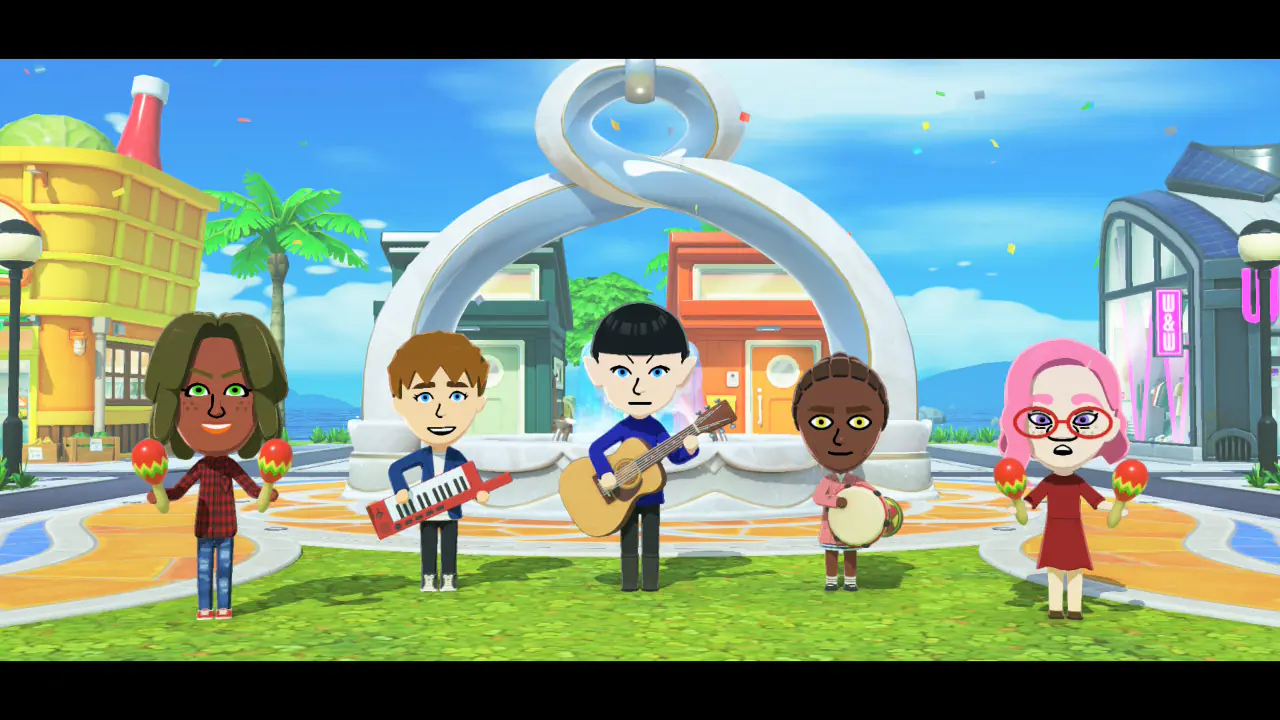
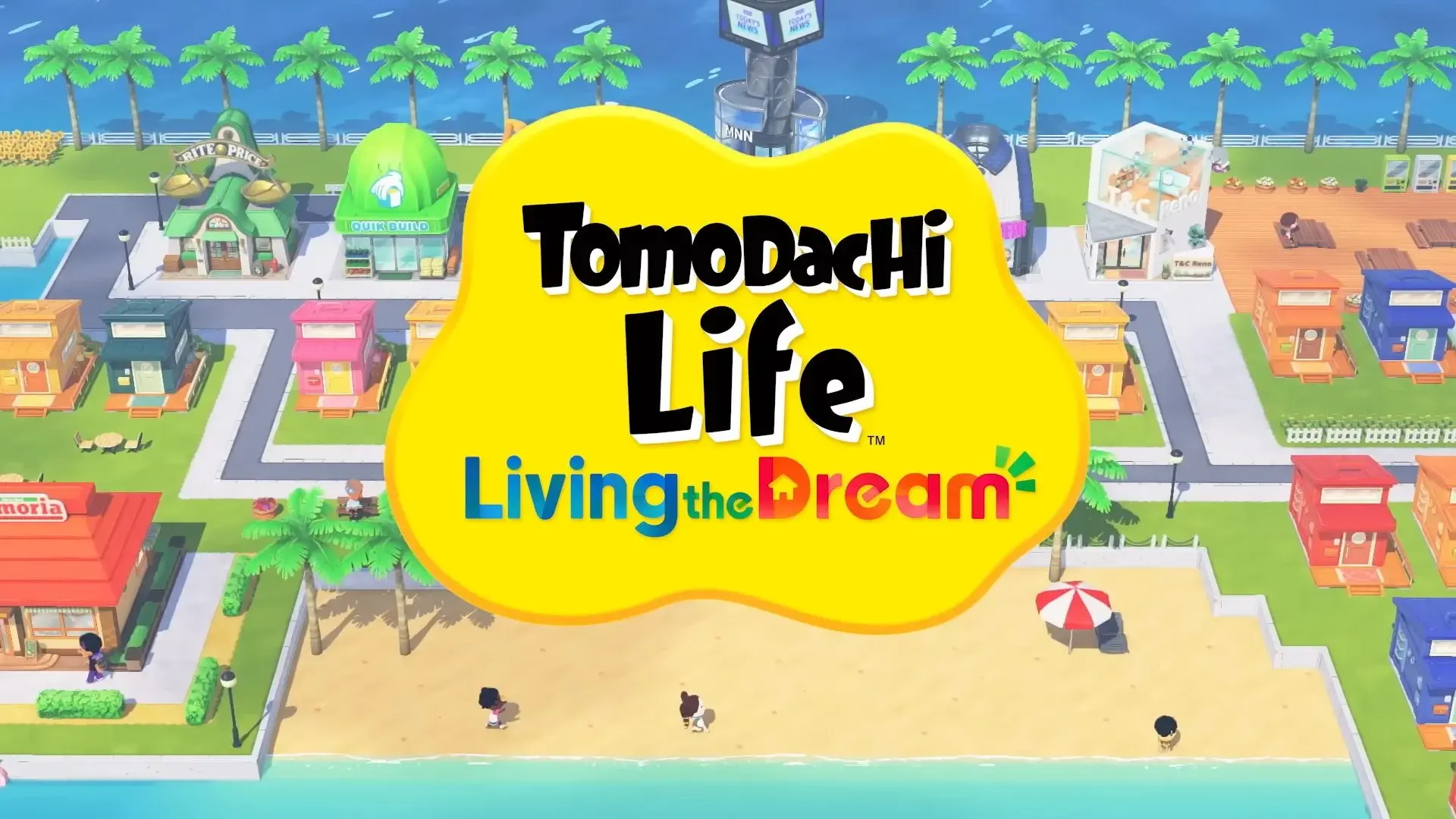
Rather than padding out an apartment block, Living the Dream lets a player chart the course of an entire island, dropping off Miis and letting them live their regular, daily lives. While you can design your own Mii or let your Switch create one for you using a couple prompts, you’re unable to create a look-a-like based off of a photo, unlike functionality originally offered on the 3DS.
Instead, though, you can directly intervene in your Miis lives by literally picking residents up and forcing them to interact with others. It’s here that I made a version of myself and one of my husband, then thrust them upon each other hoping they’d eventually start, well, thrusting upon each other.
Each action you take impacts the happiness of your Miis, and that in turn will offer the chance to level your island and the items that you have at your disposal. Rinse, repeat.
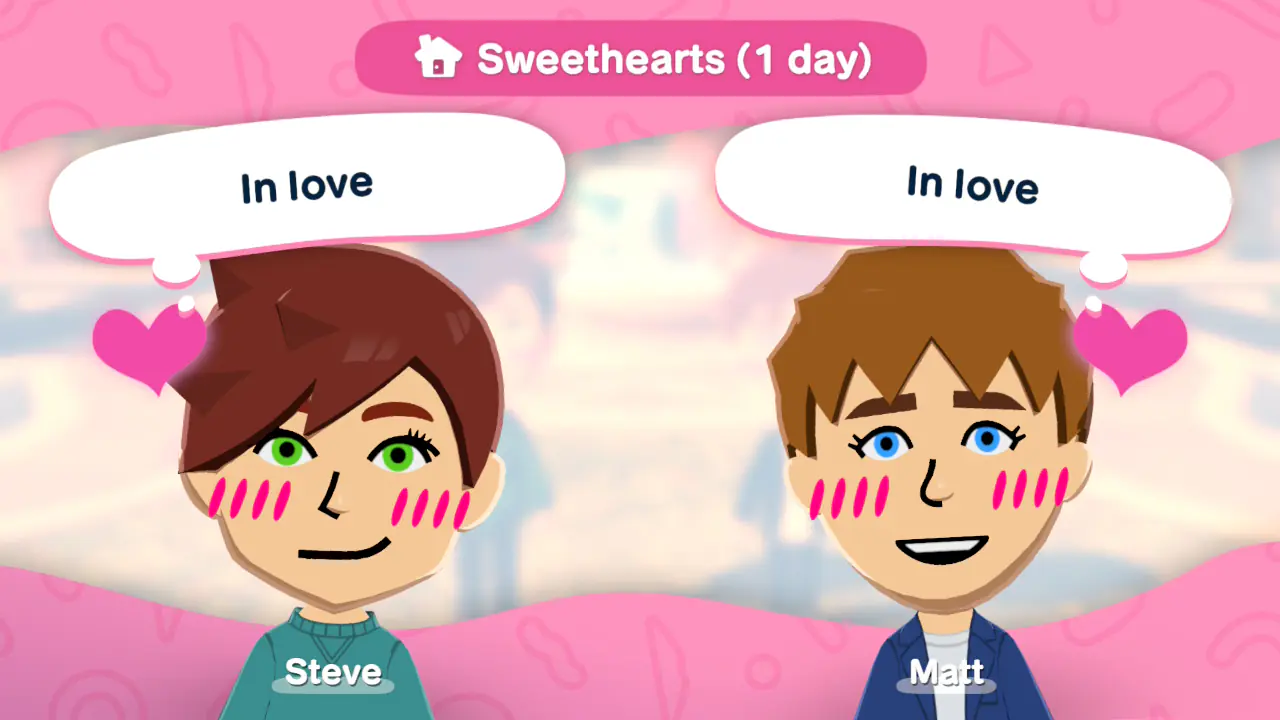
While getting Mii-Steve and Mii-Matt to be interested in one another wasn’t too difficult — I made sure they were both males who were only interested in males thanks to new, very queer-friendly options, and also specified we were married in real-life — it still was very time-consuming. Living the Dream runs at its own pace, and that is borderline glacial.
It took constant matchmaking over a week or so for the boys to admit their feelings for one another; in one instance, I had to tell Mii-Matt that he couldn’t move in with his platonic best friend (and heterosexual woman) Shauna because I had other plans. I similarly had to keep telling Mii versions of Spock and Jean-Luc Picard that they had to keep the outfits I’d made for them on, regardless of whether or not they liked them, because it would ruin my whole aesthetic otherwise.
Otherwise, most of my time on the island was spent bouncing between Miis, waiting for prompts that ensured I could tend to their needs. I generally got bored waiting, and discovered I could either quit and restart the game to speed those prompts along, or simply add more Miis — Nintendo won’t let tell you just how many you can add in total a leak has confirmed you can have up to 70 total — to keep moving things along.
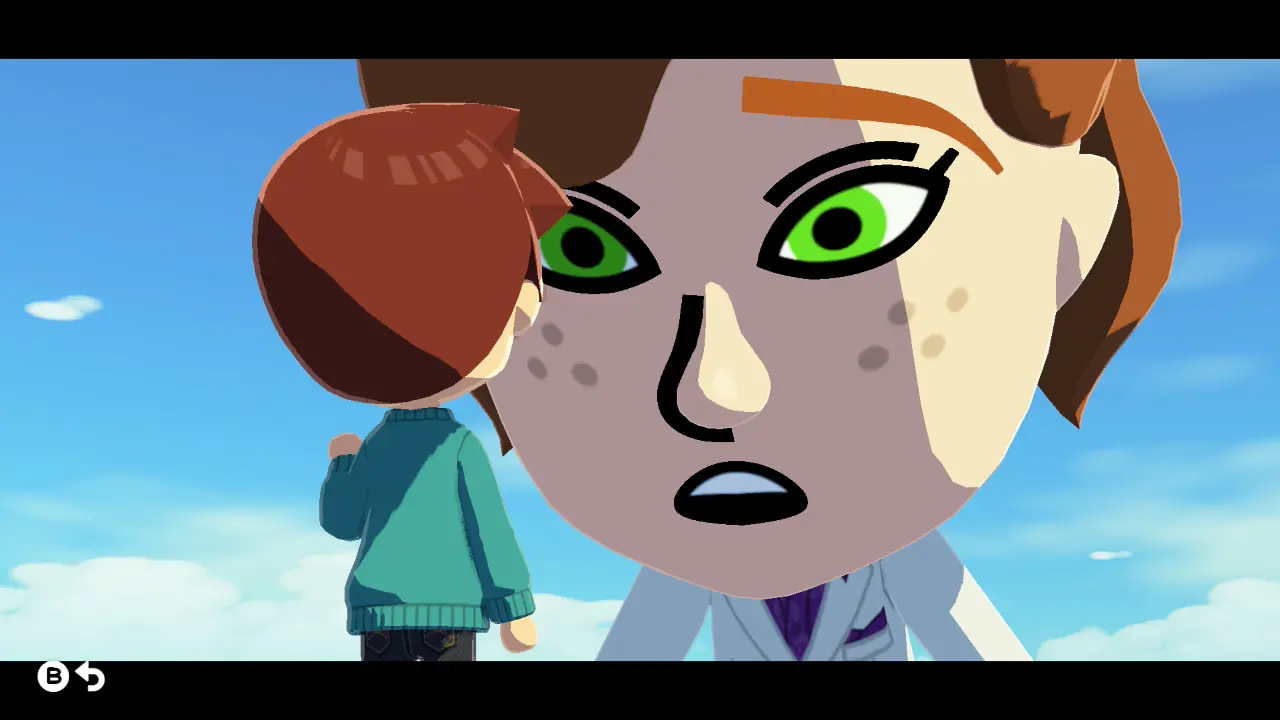
It’s here where Living the Dream will find the split between those who’ll dabble and those who’ll play like this is their ride or die. More Miis means more buildings and services, and those in turn mean more to actually do on the island. That, though, means there’s more upkeep to perform, where I really just wanted to focus on a core group of creations rather than tens of Miis that are just there for the sake of it.
If I personally had to pay $80 AUD for this title, I’d want more to do than just a feeling of obligation to check in on those digital beings under my care. Truth be told, this is also how I feel about games like The Sims, and I’m very well aware that this life simulation genre is firmly established and has a place in the heart of many. If this is you, then rejoice! You’ll like this a lot.
Those in either camp will certainly enjoy the levels of freedom and creativity that Living the Dream allows for. Not only could I create my aforementioned Starfleet characters and the bespoke uniforms they (are forced to) wear, but so much more. “Starfleet” is one of many Trek-themed hobbies and items that my island’s residents can discuss, and they do so quite frequently.
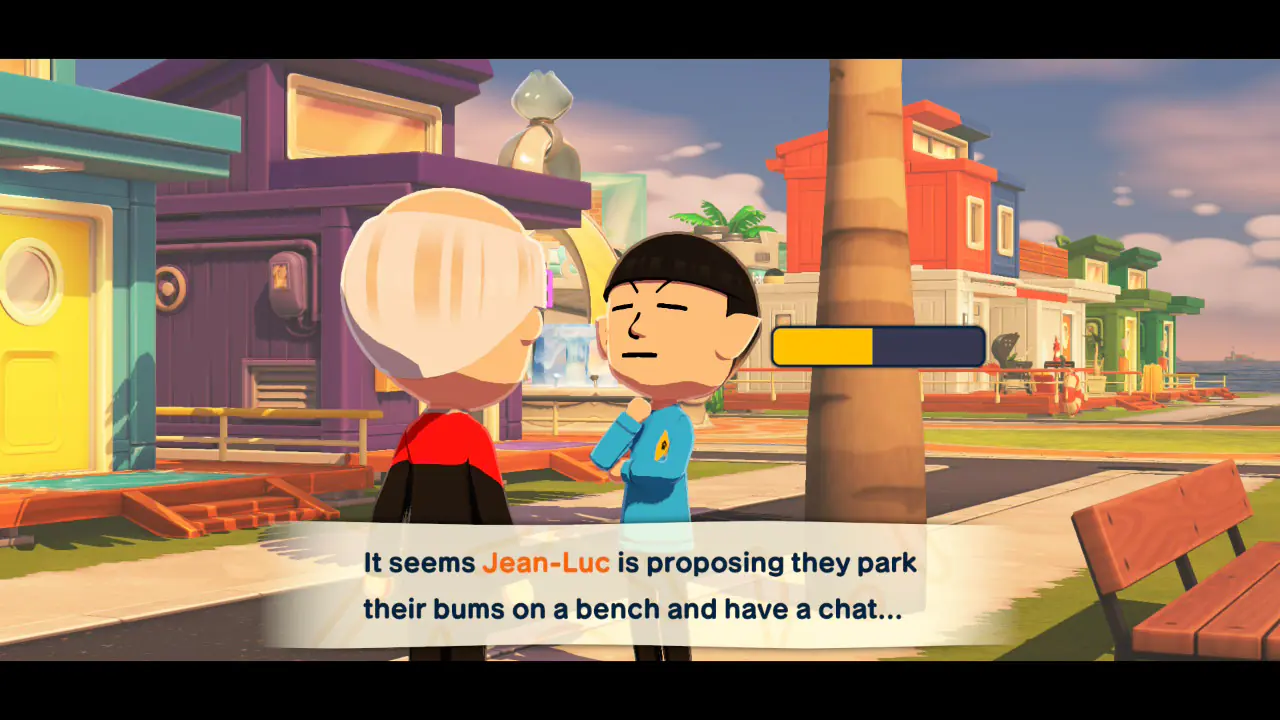
You can go far further than this, creating bespoke food and drink options, home designs, and far much more — I’m confident that there are those who’ll solely jump in to design their own items and worlds.
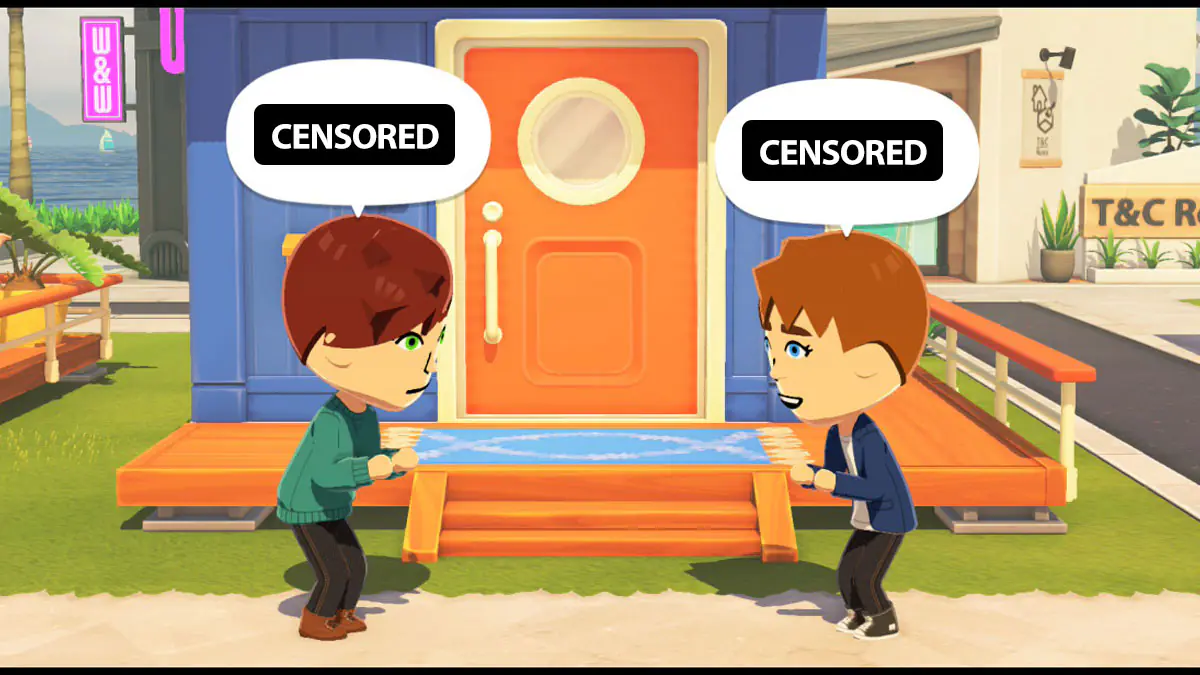
Of course, those who’ve been online since Living the Dream’s demo went out know that this loosening of rules means that you can create some truly obscene scenarios. Like” Starfleet” is a term that’s thrown about in conversation on my island, so too is “gay sex”. Ooh, naughty.
The chuckle that Miis talking about butt stuff gave me wore out sooner than later, truth be told, and ended up making me feel very childish when it kept popping up. Worst yet, Living the Dream does everything in its power to make sure you can’t easily transition screenshots — lewd or otherwise — so it’s difficult to even share your masterpieces with others.
When it comes to tame options, I made Diet Coke, Coke No Sugar, and many, many other items that are specific to this household, and then delighted when one of Living the Dream‘s quirky and random mini-games rewarded me with a cat, meaning I could then use it as a pet in my virtual household. In these, quite directed moments, I adored the simulator.
The trouble is, those moments are too few and far between for me, and I bet for many others too. My best piece of advice here is to take advantage of Living the Dream‘s publicly available demo; create a couple Miis, set them loose upon one another, and get the flavour of what’s going on. From there, it’ll be up to you if you want to go whole hog.
Tomodachi Life Living the Dream heads to Nintendo Switch today, 16 April 2026. It’s also playable on the newer Switch 2, of course.
Tomodachi Life Living the Dream was reviewed using a promotional code on Switch 2, as provided by the publisher. Click here to learn more about Stevivor’s scoring scale.
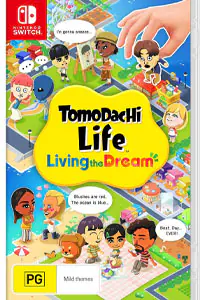 |
Tomodachi Life Living the Dream17 April 2026Switch
|
This article may contain affiliate links, meaning we could earn a small commission if you click-through and make a purchase. Stevivor is an independent outlet and our journalism is in no way influenced by any advertiser or commercial initiative.