




Microsoft versus Sony, Battlefield versus Call of Duty and Forza versus Gran Turismo. These are some of the rivalries that can get people talking about console wars. “Game On or Game Over” is your place to get inside the minds of Nicholas and Andy as they seek to find the true meaning of gaming and tackle some of gaming’s most controversial subjects. Both are award winning authors – although the awards haven’t been mailed or created yet — but trust them. Would they lie to you?
Nicholas: You know, I’ve been doing a lot of thinking these past two weeks. Ever since I read Stevivor’s review of Assassin’s Creed Unity I was super-keen for the game, but I started to worry when all the talk arose about its issues – frame rate problems, microtransactions and bugs galore. When I finally got around to playing it on the launch weekend, my mind was split with two main thoughts – was I enjoying this game as much as the last and when was I going to see all the issues people have been talking about.
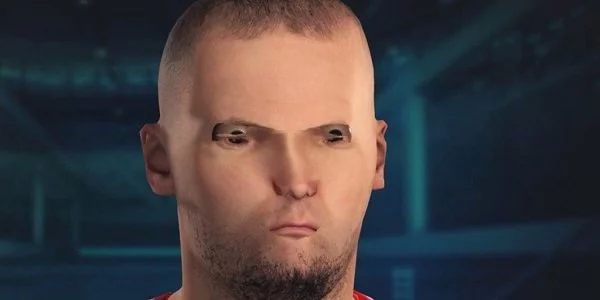
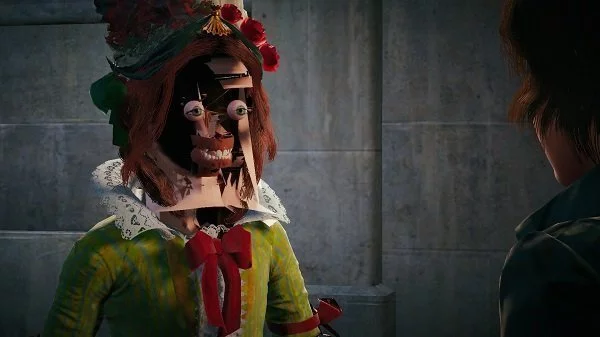
While the last few hours with Unity haven’t been 100% perfect (the game was a little laggy for the first few minutes, it crashed on me once and I’ve noticed NPCs being sent up into the air),to suggest that these have been significant issues, or even noteworthy ones, seems to be somewhat of an overstatement. Sure, it seems weird that a random character will be walking along the street one moment and then up in a tree the next, but so what?
To kick things off this week I wanted to start talking about all the complaints we’ve been seeing about ACU since launch. In your opinion do you think any of them warrant the backlash the game has been receiving, and more importantly, do you think it’s fair for gamers to be disappointed when they happen?
Andy: I have to be completely honest here. I have a copy of Unity sitting on my shelf, I have had it since the day it was released… but it’s unopened. It’s still sealed for a couple reasons, one because I am enjoying the crap out of Dragon Age: Inquisition and really haven’t felt the need to play anything else. But, probably the main reason is I am so apprehensive about the game right now. Assassin’s Creed Black Flag rekindled my love for the series after two disappointing iterations before it. I’m trying to hold onto those positive Black Flag memories and not tarnish those positive feelings I had for the game.
It’s nice to be able to have the luxury of waiting to play a game, with most new games I feel this urgency to play them right away. With all the issues I have heard about, seen videos about and read articles about it, I just don’t feel the urgency to dig into it. I’m choosing to hold off and wait until all the issues are patched. To really answer your question though, I do think the backlash over the issues facing the game are warranted. There is no other industry that I can think of off the top of my head where it is acceptable to release, ship or distribute a product that doesn’t work as advertised. It seems more and more developers are relying on patches to fix issues, both large and small. Just so they can meet their release date and get those day one sales.
Unity is a perfect example, it was already pushed back a few weeks from October to November, but as of writing this, it has already seen three patches to fix a myriad of issues. Three patches in a little over a week tells me that Ubisoft knew of, or at least had an idea, that the game was not fully ready to be released. You use the line of “so what” when talking about a character flying into a tree. I would counter that with – how is that acceptable at all? I just can’t see the logic behind a gamer buying a game with so many issues, sitting back and saying “Oh, Ubisoft will fix it sooner or later.” And somehow be happy about that. This isn’t even a conversation about the game being good or not, it’s about the game not working as advertised upon release. Can you think of any other product or industry where people would be happy or accept buying a broken, misrepresented product?
Nicholas: Well that’s the question – is Unity really not working as advertised upon release? Was there anything actually specified on either the game box or any of the trailers which stated that gamers wouldn’t stumble across a bug, glitch or the occasional crash during their playthrough? Yes, these are all things we’d like to avoid stumbling across while playing, but do developers need to ensure there are none in their games before it can be considered “complete”, or is this just an expectation gamers have created over time? I’ve been playing nothing but Unity since it was released last week and I won’t deny, I’ve been having an absolute blast. I was unimpressed with the game when I checked out the preview, but now that I’ve had my hands on the full game for a number of hours I’m enjoying it as much as I did Black Flag earlier this year. I just look at my experiences, compare it to what people are complaining about and think, “come on everyone, it’s not that bad”. Even then it’s not “not bad” – it’s awesome!
On that note I certainly don’t think it’s misrepresented, but is it ‘broken’… well, I’m really hesitant to say either way. In a game as big as this, with as many objects in the environment and the number of NPCs that there are – surely we should expect the odd person to do something random? If one or two NPCs in the multiple hours I’ve played happen to randomly shoot up into a tree then walk back down again, is that really the sign of a ‘broken’ game? Unity has crashed on me on two occasions since I started playing and one of those times required me to perform a hard shutdown of my Xbox One. Is that a problem? Yes. Has it happened ever with any other games that I own on my Xbox One? Yes. Has this spoiled my opinion of Unity or any other title in my gaming library? No.
I can understand that my console crapping itself while playing this game isn’t good, and I can admit that this would be an example of a gaming being broken, but the NPC stuff, I think it’s us just being picky. I said on Twitter a few days ago that my biggest gripe with Unity was the load times (believe me, they are ridiculous) but this isn’t the sign of a broken game. Like I asked before, how many of these gripes people are talking about legitimate issues, or are these just expectations gamers have developed over time? What does a developer actually have to deliver in a game – and if the game is playable, is it not achieving what the sole purpose is?
Andy: “What does a developer actually have to deliver in a game?” That’s a really easy answer for me. A game that works, not just some of the time or when it’s convenient – but works every time. When I buy a game, I have certain expectations. I expect things to work as they should, it’s not really too much to ask I don’t think. Just look at Ubisoft’s own blog for one of (‘one of’ meaning multiple) the patches they have already released for a game that isn’t even three weeks old yet. “Arno falling through the ground.” “Game crashing when joining a co-op session.” “Arno getting caught inside a hay cart.” And so on and so forth. Another post on their official forums detail a bevy of other things that they are working on fixing. One of the solutions they advise to fix the instability of the game is to disconnect the console or PC from the internet… the very game they billed as being an amazing co-op experience, they now suggest disconnecting it as a work-around. I’m sorry but the sheer amount of issues this game is having across every platform indicates to me the game is broken.
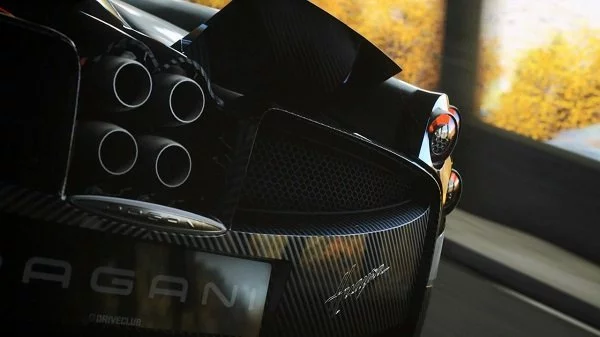
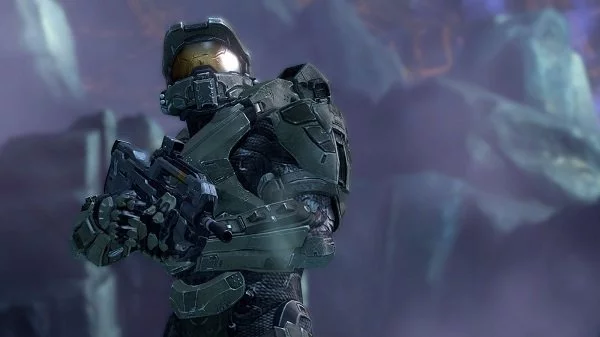
To be fair though, it’s not the only game that released this holiday season with fairly significant issues. Halo Master Chief Collection has had some major matchmaking issues, so much so that they removed certain playlists and other features just to keep it running. Driveclub and NBA 2K15 have also had their fair share of issues. It seems that publishers were willing to kick out games this holiday season knowing full well that they were not going to meet high standards, rather that they would be out in time for those precious holiday sales numbers. Be-damned with releasing a fully polished game anymore, because developers can always rely on a patch, or two or at least three in the case of Unity.
I get that games are bigger and more complex than ever. I get that they are hard to make and the average gamer (like me) has no idea how much work it takes. I get that, at times, gamers can be overly nitpicky about minor details of a game. What I can’t understand and refuse to accept is when a developer/publishers releases a game that for many is a frustrating, unplayable mess. Falling through a map is not a minor annoyance in my opinion. The game crashing or unable to load a multiplayer session is not a minor annoyance in my opinion. With the magic of patches, developers have taught us it’s OK if they release a game that doesn’t work right away because eventually they will get around to fixing it correctly.
In short, that’s unacceptable. I don’t want to load a 2GB update every time I want to play a game. I want the game I see in the trailers, developer diaries and the like. I can’t recall at any point during the marketing of Unity that one of the features was falling through the map or getting stuck in a hay cart. Honestly, if there was a game trailer, or notice on the box art that said “Hey, sorry we can’t guarantee that your copy of this game won’t contain a game-breaking bug or glitch thanks for understanding” I’d never look at that game again. I’ not talking about bad storytelling or me just flat out not liking a game for whatever design decision was made. I’m strictly talking about a game I purchased not working correctly. I don’t think this is an expectations that gamers have developed over time, I think it’s an expectation that anyone would have for any product they buy. If you went and bought a new cell phone and every time you received a text message your phone locked up and had to be rebooted, would you be OK with that? Would you think “Oh, no worries, I’m sure <insert phone company> will fix it sooner or later? Why is that OK for a game developer to do and expect gamers not to care?
Nicholas: You know what, you make a pretty solid set of arguments there. As I said above, my experience with Unity has been fairly pleasant with the occasional issue here or there, but the things you’re mentioning make me consider it in another light. As far as I’m concerned Unity is great, but if I was a gamer who wanted to play online with a friend and I couldn’t because doing so would crash my game, or if I noticed Arno falling through the floor every time I played then I’d probably be giving you another answer. When I had my playthrough with this game a few months ago I had the issue where Arno would fall through the floor on multiple occasions during the hour or two I was playing the game. Thinking back to all the previews I’ve attended, the only time one hasn’t run smoothly was with Project CARS. I’m really at a loss to explain how Ubisoft could have had such a big issue with this title when they were able to release Black Flag last year with no problems.
You mentioning all those games with their issues is an eye-opener – I remember reading about the problems of each one but I admittedly forgot about them when I started writing this week’s article. Both Driveclub and Halo are centered around being multiplayer focused, and to know that they are both experiencing online-based issues is a real problem for a lot of gamers out there. Recently the developers behind DC announced they would be providing gamers with free DLC as a result. For you, as a gamer, do you consider this as appropriate compensation for the issues gamers are having?
Let’s assume that publishers can’t delay their games any further and there’s a chance we might be seeing this for a little while longer (assuming perhaps they are just struggling to make such massive games with the same time frames as the last generation), what form of compensation would you need to receive to make up for the fact you might come across these issues? Is the option of free DLC worthwhile? Should there be a price drop? Not to sound too extreme, but would you even rule out some sort of court case for selling ‘broken’ goods?
Andy: I will never buy the argument that publishers just can’t delay a game a little while longer. Sure, delaying a game out of its launch window would be painful for a publisher – they would lose some of that marketing buzz, they would lose the window in which they intended to release the game and they would also probably upset investors as well by not having those sales during the specific projected quarter. I have to ask though out of all that… so what? Without gamers buying your game and supporting you then you have no company, you have no investors. The consumer is the one who ultimately decides how profitable the game will be. Word of mouth is a very powerful tool for gamers and once a company starts to develop a bad reputation it takes quite a bit to dig out of that. It’s partly because of that reason, and my personal annoyance with Ubisoft’s current DLC and microtransaction practices that I am not going to be getting The Crew next month. In this case I am speaking with my wallet, and it will take a lot for me to start supporting Ubisoft with day one purchases anymore.
Instead of assuming they couldn’t delay it, because I will always believe they can, let’s assume that they just flat out miss something that in turn creates a pretty significant issue with a game. What then is appropriate compensation for that? I have a couple initial thoughts on this. First, how long did the issue remain unresolved? The time frame for that would certainly play into the level of compensation certainly. If it’s a more prolonged issue that the developer is having a hard time getting under control, see Driveclub, then I think they are correct in giving away DLC as compensation. I’m not sure what other compensation a developer really could give aside from a full refund by having the gamer mail their game to them along with a copy of the receipt type of thing. Of course, there is another option for a game so fundamentally broken and unplayable and that’s a flat out recall of the game. That’s not something that happens all too often in the video game industry, but it has happened.
Of course the second a company recalls a game there is an automatic stigma attached to it and the developer, but I have to ask, which is worse? Admitting the game is so flawed it needs considerable more work to make it a good gaming experience, or letting players suffer through the myriad of issues while releasing patch after patch and the issues subsisting while creating more gamer discontent? I can understand the concerns that a publisher has when faced with issues like this. What irritates me is that time and time again, gamers are taken for granted. We are given a simple “We’re working on it sorry you’re having these issues. Thanks for your support.” Type messages and we are supposed to sit back and continue to throw money at a company every time they release a new game? A lawsuit would be a complicated mess that no one would really win from, just due to how long it would be tied up in court and the fees involved for it, but when is enough enough? What is it going to take for gamers to be unified and stand up and say “No more. We’re done with games being released with so many issues.” It seems to be happening more often than not, that a game is released with issues that have the potential to break the game and make it unplayable. What do gamers need to do to hold developers/publishers accountable for that?
Nicholas: I think the answer is a simple one, and one that we’ve spoken about and agreed upon before – speak with their wallets. You are correct in saying that without gamers and without sales a company just cannot continue to exist, so as far as I’m concerned there’s only one group of people who can buck a trend – those who either choose to support or reject it. Like we’ve seen time and time again, gamers are willing to voice their opinions (rather loudly) about things that bother them, and I’m not denying that those complaints aren’t sometimes legitimate, but they also seem to throw money at those companies they seemingly despite immediately after.
If we are really bothered by the practices of companies like Ubisoft and if we are really tired of seeing games launched with massive updates, then we need to stop showing these publishers that we’re OK with it. The problem is though, it seems like we are. No matter how bad a game might be, people still buy them. No matter how much we disagree with yearly releases, we still buy them. There really seems to be no issue to bad that gamers won’t still decide to give it a try regardless.
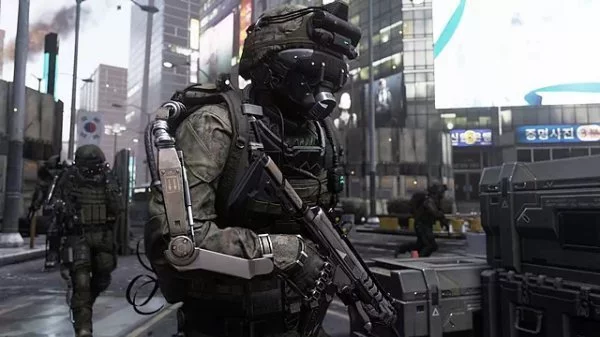
I’ve seen a few comments from people suggesting that “Ubisoft are the new EA”. It’s pretty interesting that the very company that was voted the worst in America two years running is now no longer being considered as such, and that Ubisoft are seemingly taking their place. It makes me wonder, is this all just a hiccup that we’ll forget in the months and years to come? Call of Duty was receiving a hell of a lot of flak and then their latest installment was released and gamers were wowed again. Suddenly all that negativity is forgotten. Will we see the same with Ubisoft down the line – or do you think these issues and practices are here to stay for a little while longer? Are they testing the waters to see how far they can go?
Andy: I have to admit, gamers are very good at sending mixed messages. We bemoan industry practices for things like microtransactions, we bitch about on-disc DLC and we are up in arms about publishers releasing games that take weeks or months to sort out and become playable. Yet, time and time again, there are countless gamers lined up for midnight releases, and even more who throw down money before a game is even released on the premise that “this time it will be different.” All we are doing is reinforcing to the developers and publishers that it’s OK to continue these practices. It’s OK if a game requires three patches in two weeks, it’s OK to get gamers to pay for content that is already on the disc and it’s OK to charge gamers for every little thing in a game and make us download companion aps to be able to open a chest in a game that we already paid for.
We are at a place in video games where broken/unplayable games should not be released. Yet, it seems that the majority of new releases have issues. From framerates jumping around, features not working correctly to multiplayer not functioning. It’s actually quite ridiculous that time after time gamers keep throwing money hand over fist in the hopes that this time will be different. That this time will be the game that is released with no problems. Yet, we are proven wrong more often than not. We are not getting the quality of product that developers and publishers are marketing. Often times we are getting shells of that product. Look at all the modes and playlists removed from Halo right now just to get it working… most of the time.
You’re right though, until gamers take a stand and say no more, not again, those developers and publishers have no reason to listen. $60 from a pissed off gamer is the exact same as $60 from a content gamer. We are in an era where we sit and wait, hoping that someday soon our new shiny game will be patched so we can play it and fully enjoy it with no issues. I think this holiday season is the time when I finally have learned that I’m not waiting for a game to get fixed anymore. Rather, I will make those developers and publishers wait for my money until a game is fixed before I buy it. Sure, I’ll most likely miss out on a pre-order bonuses (but I’ll probably be able to buy those at any given time). I’ll miss some initial game time with friends and I’ll probably have some things spoiled for me on messages boards or social media. But, in the end when I buy that game, I will have the assurance that there aren’t any ground-breaking bugs or glitches and that the game I get is ready to be played. I’m done waiting for publishers to deliver on a promise of a solid game. It’s their turn to wait for me.
Tune in next time for the next instalment of Game On or Game Over. If you have any ideas for our next article, feel free to contact Andy or Nicholas on Twitter.
This article may contain affiliate links, meaning we could earn a small commission if you click-through and make a purchase. Stevivor is an independent outlet and our journalism is in no way influenced by any advertiser or commercial initiative.