



Has it been ten years already?
While it feels like it was only yesterday, it’s been a full TEN YEARS since gamers were reintroduced to Dragon Quest 7 Fragments of the Forgotten Past on the 3DS – and before that, the original PS1 release way back in 2001. The original title is infamously known as the longest Dragon Quest game of the entire franchise, with a completionist run averaging at least 250 hours of play time.
The Nintendo 3DS release aimed to streamline this behemoth down into a mere 130 hours, though it was still too much for some players (absolutely fair!). Coming into 2026 (and fresh off the heels of last year’s stunning Dragon Quest 1 & 2 HD-2D Remake), Square Enix is ready to introduce a new generation of players to this story in Dragon Quest 7 Reimagined.
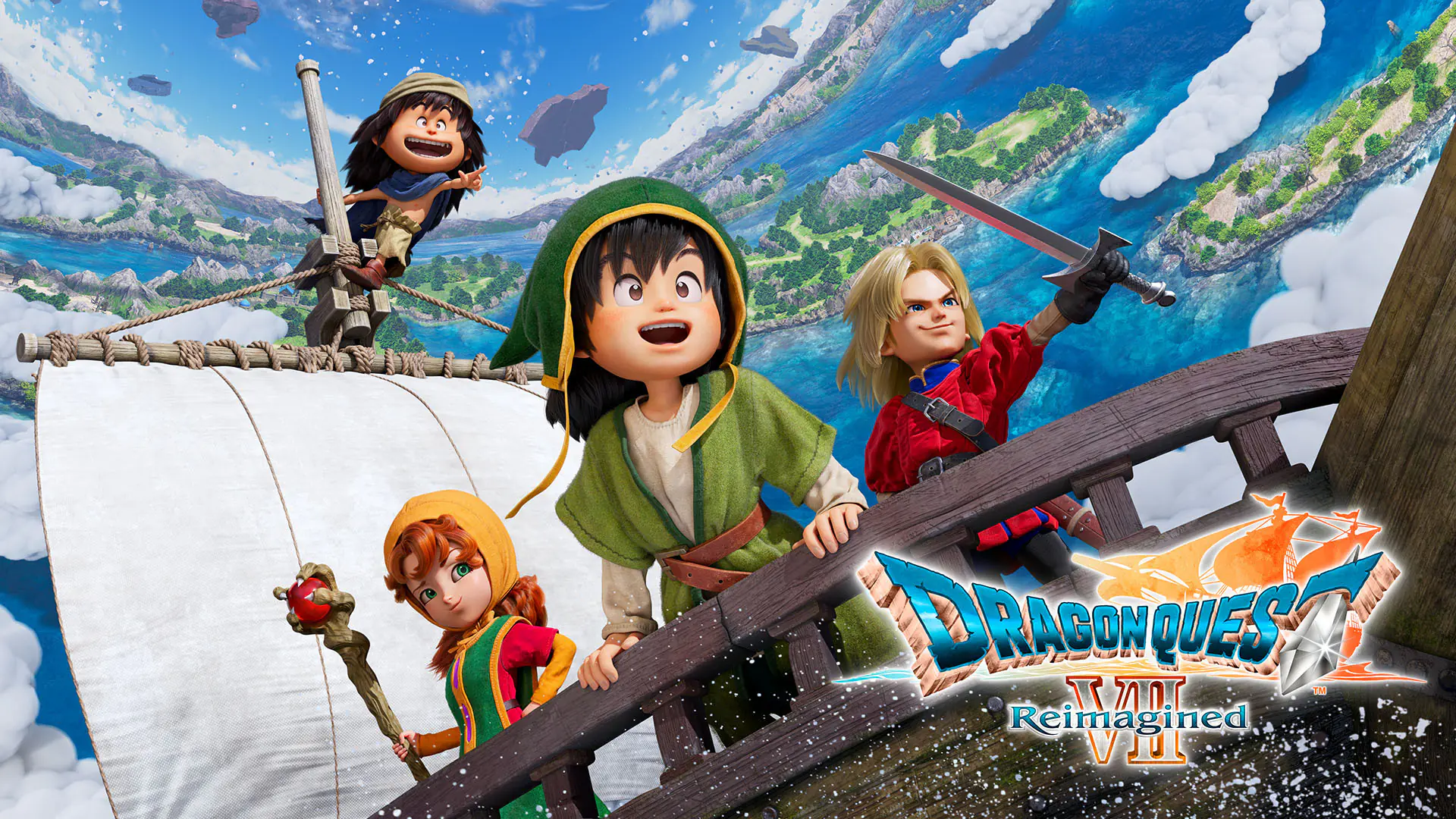
Starting in a world made up of a single island in an endless ocean, Dragon Quest 7 sees three childhood friends setting out on an adventure that slowly expands the world they know into one packed with new people, islands and experiences they’ve never seen before. Exploring their island home, the Hero, Maribel and Prince Kiefer discover fragments of stone maps that grant them access to new worlds in the distant past, each beset by some dark fate that wiped them out of the modern world. As they meet the peoples of each island and help with their problems, their homes begin to reappear in the present day – pushing the Hero and friends to find more fragments and restore the world.
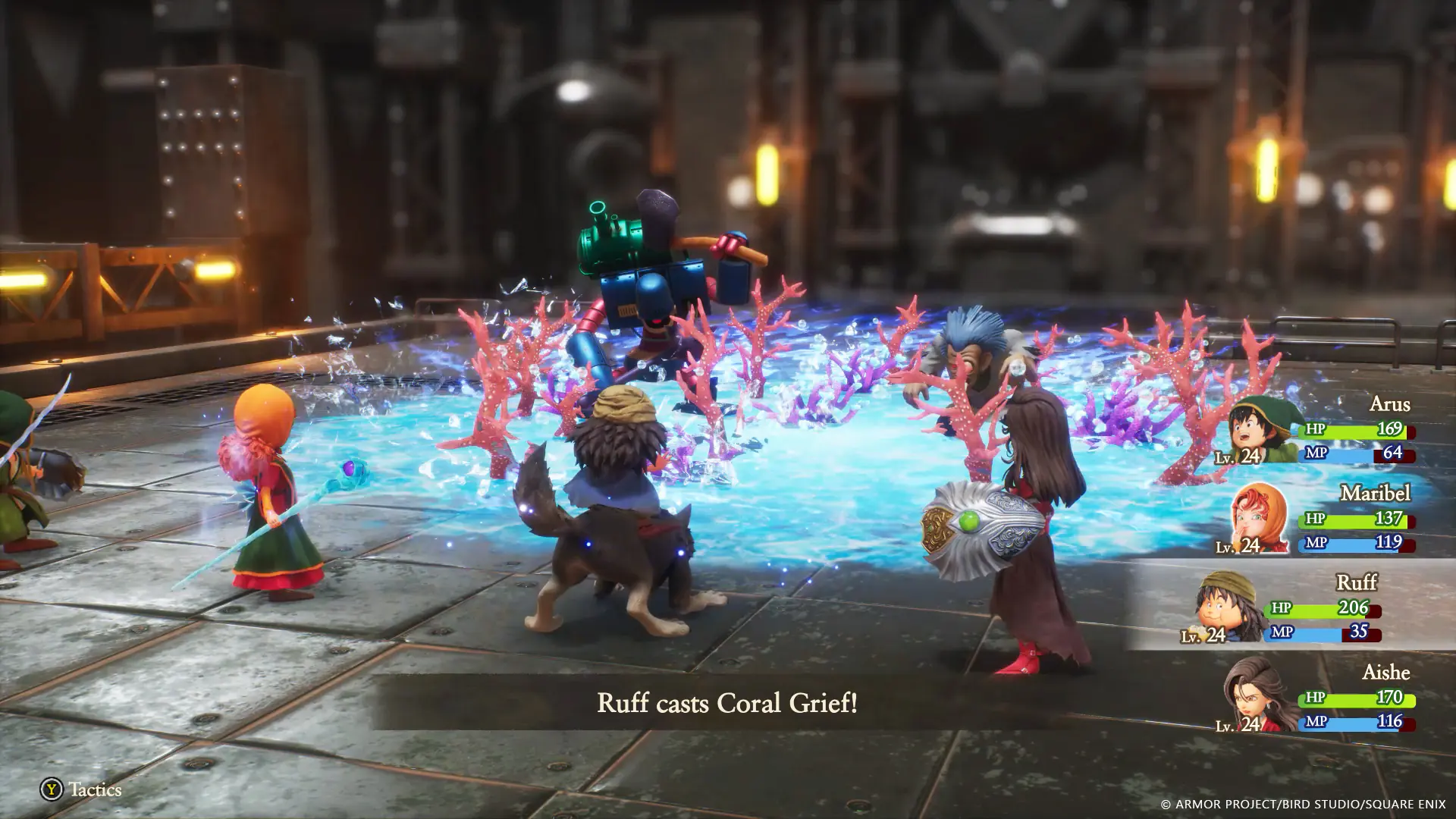
True to its name, Reimagined is a shocking break from the traditional formula of Dragon Quest. In a market full of Japanese RPGs that reinvent themselves every game – Tales, Trails and Final Fantasy just to name a few – Dragon Quest has instead chosen to stick to the formula that works for it. Across eleven mainline titles, the series has mostly retained the same menu designs, sound effects, monster bestiary and combat mechanics in a way that makes each game feel both welcoming and archaic in equal measure.
Dragon Quest 7 Reimagined modernises the formula in ways that feel like a breath of fresh air for the series, as well as a way of welcoming in newcomers to both the series and the genre at large. Right up front, Reimagined has a comprehensive difficulty scaling menu – allowing players to individually adjust enemy or party damage, EXP and money earnt, or even an automatic party heal after every fight. All of these options can be adjusted to make the game easier OR harder, depending on your preferred way to play. Each setting can also be adjusted on the fly; you could crank up your EXP to prepare for a boss and then return it to normal, or stop enemies actively attacking you in the world if you just need a break from random encounters. For a game this long, it’s great to be able to adjust your experience to ensure you’ll keep enjoying yourself right to the end.
It’s not hard to stay interested, though – Reimagined’s new visual aesthetic makes visiting (or re-visiting) the world of 7 a delight in every new area. Similar to Mistwalker’s Fantasian, Reimagined has been… well, reimagined as a world depicted in the style of a diorama, with every person in the world presented like an Akira Toriyama-inspired puppet. As discussed in pre-release coverage, Square Enix created each party member in the real world as incredibly detailed wooden dolls, using actual cloth and textiles for their clothing to get a sense of how to depict them in the game.
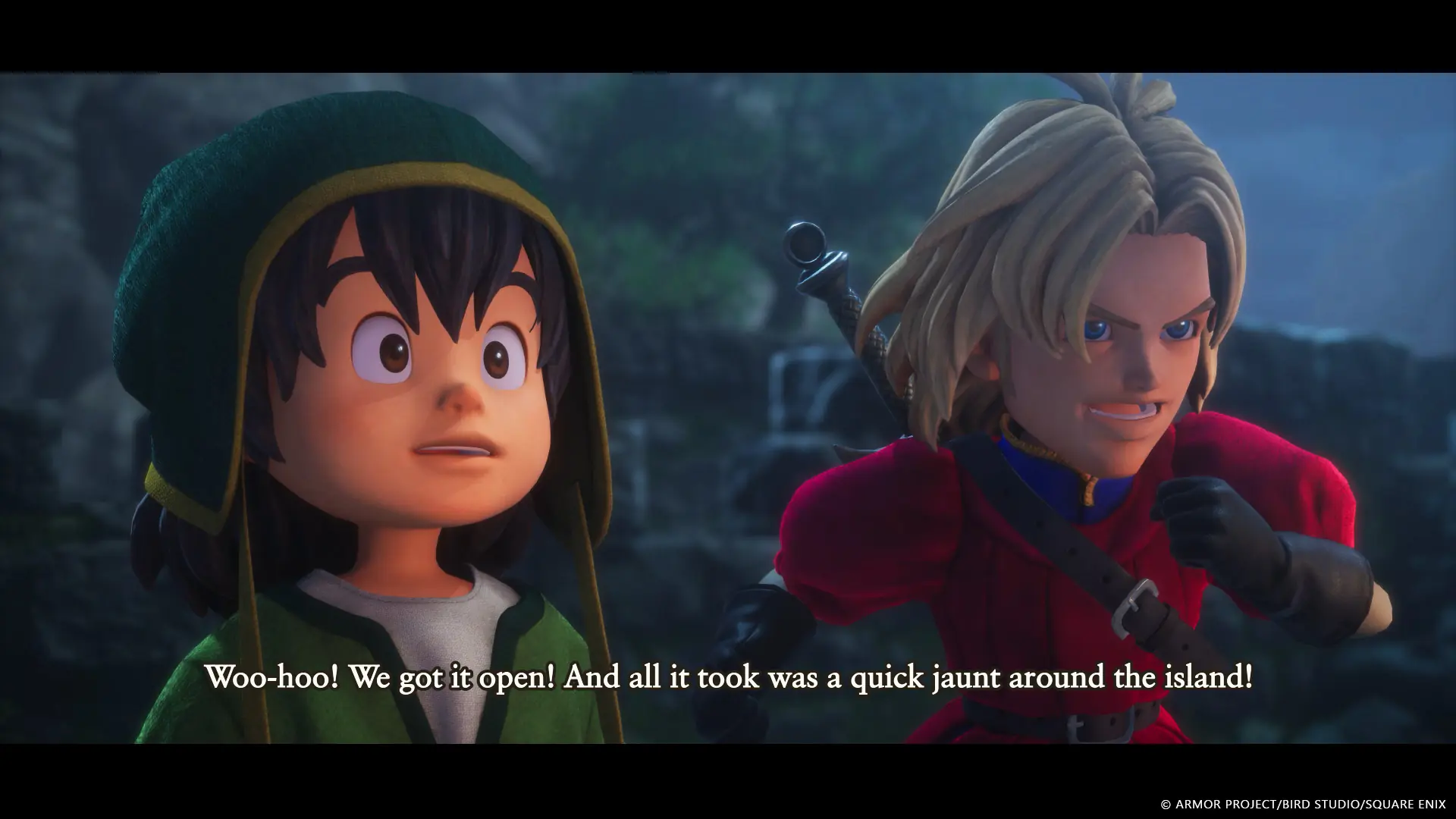
And the effort shows — party movements and expressions look so seamlessly stunning, especially in the rare and far-too-few cinematic cutscenes scattered throughout the main events of the game’s story – which are all beautifully directed and voice acted, making each one feel like a special treat for playing more of the game. Combined with a tilt shift effect to make everything feel like miniatures you’re looking at from above, it all combines to create one of the best versions of the Dragon Quest aesthetic I’ve ever played.
Impressively, Reimagined manages to streamline the story of Dragon Quest 7 even further – especially its notorious opening, which had hours and hours of story before you even experienced your first battle. Having played the already-smoothed 3DS version previously, I was still impressed by how quickly I got to the meat of its gameplay loop, finding fragments to unlock islands to find more fragments. By the time I reached the last story event I could remember from my time on the 3DS, my playtime looked at least ten hours shorter in Reimagined. The original also had incredibly long run-up to the introduction of its job system, while here I made it to Alltrades Abbey in about 20 hours – still a long time, but it’s at least five hours earlier than it used to be.
Square Enix has confirmed that this is a result of some content and islands being cut from the original to improve the overall flow of the game – the game’s casino and some other side diversions and three of the original islands have been cut to improve overall game flow, and certain elements of these remixed into other areas of the game. While it’s always sad to see parts of a classic removed, I’ll admit that I haven’t felt the same fatigue I did on the 3DS version. This was absolutely packed to the gills with stuff to do, to a point that can become overwhelming; while each island acts almost like an “episode” of the game’s story, short enough to experience in one play session, there are a LOT of those episodes in the original version. Rearranged to a new order, and some islands shifting to optional side-quests allows you as the player to decide whether to do everything everywhere, or focus on pursuing the main story.
Dragon Quest 7Reimagined also offers a huge array of quality of life improvements, all designed to modernise the Dragon Quest experience. Starting with an entirely redesigned menu, it’s all geared to welcome players rather than sticking with established conventions; being able to optimise your equipment with a single button, or see a list of all discovered (and undiscovered!) fragments and collectible mini medals, the latter of which has historically been a needle-in-a-haystack search across each game’s entire world.
The one that hit hardest for me was the improvements to utility spells like Zoom and Nose for Treasure, used to fast travel and find how many items there are to be found. Zoom can now be used from anywhere, no longer restricted to outdoor areas where you won’t ‘bump your head’, and Nose for Treasure highlights how many items are in both the current map AND the wider area. As much as I love the series, it’s definitely a breath of fresh air to play a Dragon Quest so willing to improve the gameplay experience for its players.
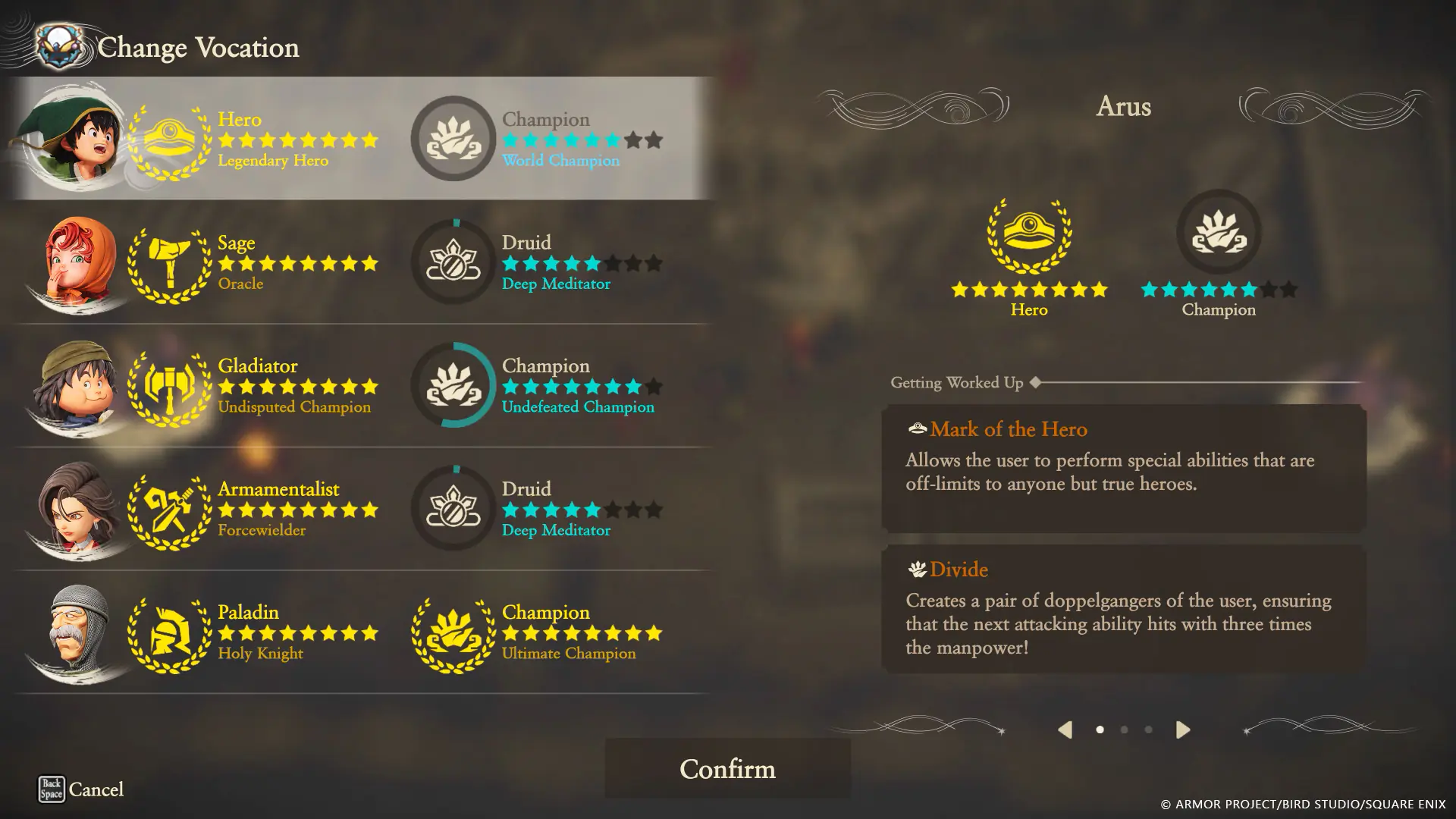
Another huge departure is the “Moonlighting” job system, a mechanic introduced later in the story that allows your party to access and level up a second vocation in combat. Massively expanding your skillset and combat capabilities, you can quickly expand your repertoire of skills, or get a boost to your job proficiency each battle if one of your to vocations have been mastered already. While I do miss the party’s outfits changing dependant on their current vocation, the addition of unique special skills for each one does leave you feeling much more in control of the battlefield – or more confident in the more-intelligent auto battle option as well.
At the end of the day, Dragon Quest 7 Reimagined doesn’t bring forward everything that’s been in previous versions of the title – but that’s not what it’s set out to do. This is a new 7 for a new generation, or even just long-time fans who want to re-experience this story with a bit more velocity than the previous versions allow, without trying to replace the still-excellent 3DS release. Seeing the team this willing to flip the script on the traditional formula leaves me very excited for the future of the franchise; if other remakes (or the distant future release of Dragon Quest 12) can take lessons from Reimagined’s mechanics or art style, I’ll be a very happy gamer indeed.
Dragon Quest 7 Reimagined was reviewed using a promotional code on Switch 2, as provided by the publisher. Click here to learn more about Stevivor’s scoring scale.
This article may contain affiliate links, meaning we could earn a small commission if you click-through and make a purchase. Stevivor is an independent outlet and our journalism is in no way influenced by any advertiser or commercial initiative.