







Content Warning: This article contains discussion about depression and suicidal ideation.
Tony Attwood, a specialist in autism and adjunct professor at Queensland’s Griffith University, operated a private clinic for many years focusing on Level 1 autism (previously called Asperger’s Syndrome). He’s written several works, including The Complete Guide to Asperger’s Syndrome.
In a recent discussion on my grokludo podcast, he explored gaming’s numerous advantages. What may appear as social obstacles to some, the autistic brain interprets as the elimination of such obstacles. It can provide meaningful connections, which in some cases are very welcome and needed. But there are also a few things to watch out for.
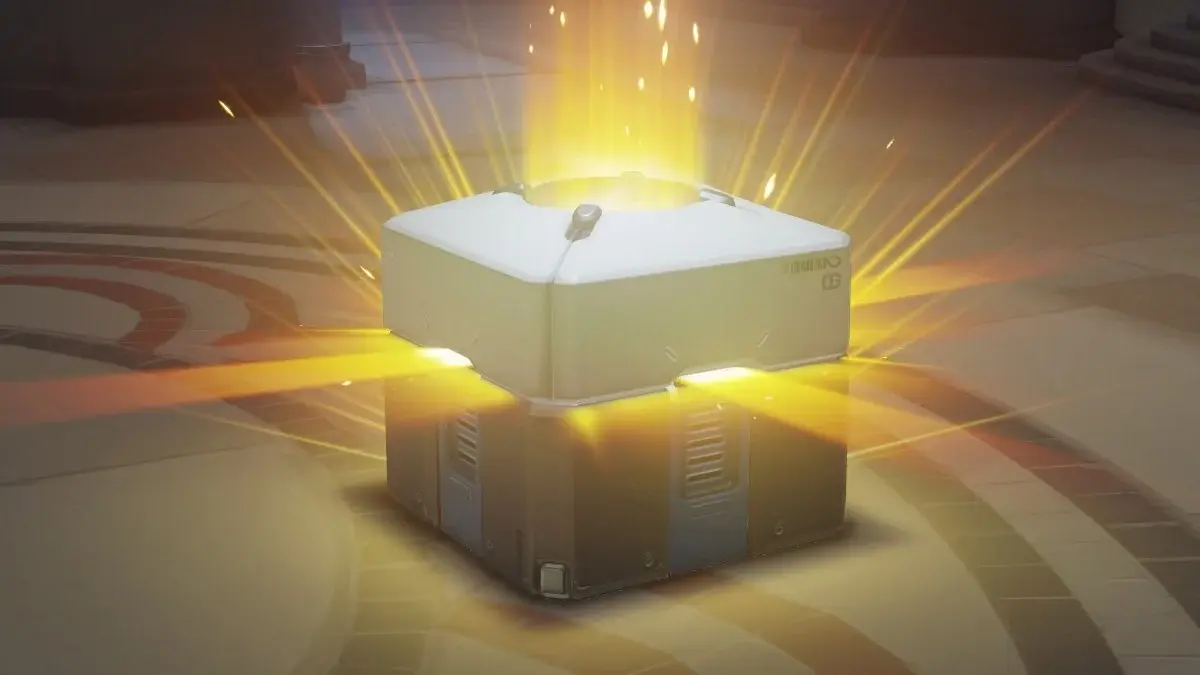
When asked about the WHO recognising Gaming Disorder and how this might relate to autism, Attwood said, “my concern is that there’s a resemblance between gaming and gambling, and the combination of the two, of loot boxes and things like that, means you’re moving away from gaming into gambling. And that’s a very different ballgame. Very concerned about that.”
When asked if gamers with autism might be more vulnerable to the psychological tricks loot boxes have pilfered from the gambling industry, he said yes.
“I think they’re more vulnerable because often they’re not disclosing information to others where someone can be, shall we say – it may be a partner, parent, friend – of moderation. And it’s done as an individual basis.”
Although official statistics show autism affects 1 in 36 individuals broadly, Attwood believes the proportion is greater among gamers.
“There’s something about autism and computer gaming that go really well together,” said Attwood. Though diagnoses, or “discoveries,” as Attwood likes to put it, are less for older people, as well as women and girls.
One of the most striking statistics from the interview is that 9 out of 10 people over the age of 50 with autism are undiagnosed.
Women and girls, who often have different social and playground habits, can also more effectively camouflage their autism and tend to seek a diagnosis at about half the rate.
As such, experts like Attwood are now seeing a deluge of people seeing a diagnosis. Increased awareness has helped with this, partially due to media representations of autism – though perhaps half a step backwards was taken when Asperger’s Syndrome was folded into the autism umbrella, as society had different ideas about what each of those terms meant.
The conversation provides perspectives on how autistic individuals experience games, plus guidance for maintaining a healthy relationship with gaming. Despite significant advantages, there are considerations to keep in mind, particularly around emotional management.
“Your mind is so focused on the game, it basically suppresses your anxiety or depression,” Attwood said. “Now the problem is, for a while, you are detached from your emotional state. But when you switch off the game, pew! It’s been suppressed, but not resolved…
“And sometimes the person’s distress when the game ends isn’t that they’ve had to do this because of a parent or partner said stop. It’s: How am I going to cope with my deluge of anxiety which now floods my mind?”
This is definitely getting shared with everyone who’s ever felt slighted when I needed some solo gaming time in my space rather than constant social interaction.
There’s a lot of value in the above interview for anyone who might be autistic or borderline, or have someone autistic in their lives, or wants to design games with accessibility in mind, or is simply interested in how neurodivergent people experience games.
This article was written by Jeremy ‘Junglist’ Ray, who editor Steve Wright is friends with, and a fan of (we just didn’t have time to set up a proper ‘about the author’ blurb for this one). While this isn’t a direct endorsement of the grokludo podcast, we reckon it’s worth a listen yourself so you can see if it’s a good fit for you.
This article may contain affiliate links, meaning we could earn a small commission if you click-through and make a purchase. Stevivor is an independent outlet and our journalism is in no way influenced by any advertiser or commercial initiative.